

Recognizing the signs couples need professional counseling is the first step toward protecting a relationship before pain becomes permanent. Frequent unresolved arguments, emotional withdrawal, trust issues, and loss of intimacy are the most common relationship counseling signs that something deeper needs attention. Research shows that approximately 70–75% of couples experience significant improvement when they seek help early. Waiting makes everything harder. The patterns described below are not character flaws. They are signals worth taking seriously.
1. What are the most common signs couples need professional counseling?
Persistent, unresolved conflict is the clearest couples therapy indicator. When the same argument cycles back week after week without resolution, the issue is not the argument itself. The issue is that the couple has lost the tools to repair.
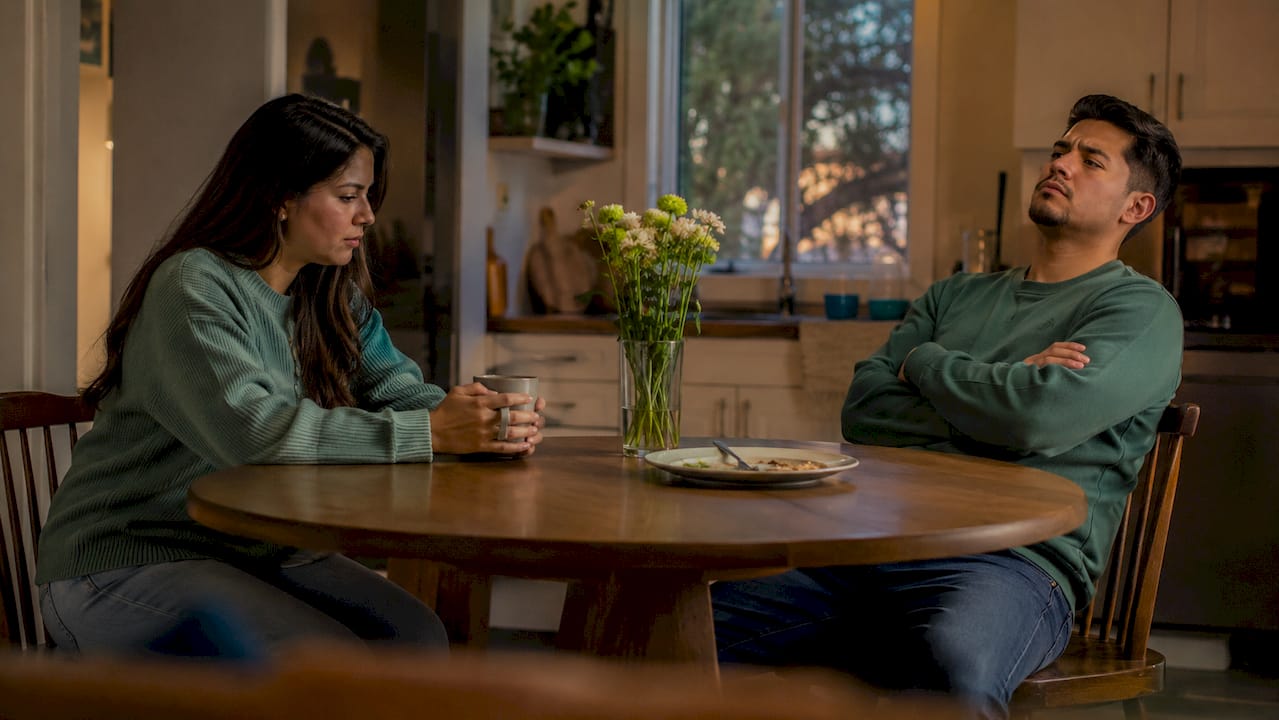
A measurable benchmark exists for relationship health: a 5:1 ratio of positive to negative interactions. When negative exchanges consistently outnumber positive ones, relationship distress is already present. That ratio is not a theory. It is a clinically observed pattern that predicts long-term dissatisfaction.
The most common warning signs in relationships include:
- Frequent arguments that never fully resolve and leave both partners feeling unheard
- Communication breakdowns where conversations turn into debates or silent standoffs
- Emotional withdrawal where one or both partners stop sharing feelings altogether
- Loss of physical intimacy as a signal that emotional closeness has faded
- Trust issues, including jealousy, secrecy, or a sense that something is being hidden
Pro Tip: Track your week's interactions. If you struggle to name five genuinely positive exchanges for every one negative one, that ratio alone is worth discussing with a counselor.
2. How destructive conflict patterns signal a need for help
Not all conflict is equal. Healthy relationships experience disagreement and repair it. The breakdown happens when the ability to repair after conflict disappears entirely.
Researchers identify four specific patterns that predict serious relational damage: criticism, contempt, defensiveness, and stonewalling. These are sometimes called the Four Horsemen in relationship research. Contempt, which includes eye-rolling, mockery, and treating a partner as inferior, is the single greatest predictor of divorce. When contempt enters a relationship regularly, the dynamic has shifted from partners to adversaries.
Stonewalling, where one partner shuts down completely during conflict, is equally damaging. It signals emotional flooding so severe that the person cannot engage. Both patterns require professional support to interrupt and replace.
3. Subtle signs like emotional drift and feeling like roommates
Some of the most telling relationship counseling signs are quiet ones. Loneliness while physically together is a major indicator that emotional maintenance has stopped. Couples can share a home, a bed, and a calendar while feeling completely disconnected from each other.
This state is often described as living like roommates. The logistics of life get managed, but the friendship and emotional bond that once defined the relationship have faded. Bids for connection, small moments where one partner reaches out for attention or affirmation, go unnoticed or are actively rebuffed.
"Emotional distance is not the absence of love. It is the absence of attention. When couples stop turning toward each other in small moments, the gap grows quietly until it feels insurmountable. Recognizing that drift early is an act of courage, not weakness."
The subtle signs worth watching for include:
- Rarely laughing together or sharing inside jokes
- Feeling more comfortable talking to friends than to your partner
- Going through daily routines without meaningful conversation
- Feeling relieved when your partner is away rather than missing them
These patterns do not mean a relationship is over. They mean it needs tending. Couples counseling addresses exactly this kind of quiet erosion before it becomes a crisis.
4. What impact do major life transitions have as warning signs?
External stress does not stay external. Major life transitions like having a new baby, navigating an empty nest, relocating for work, or managing a serious illness place enormous pressure on a relationship. Couples who were functioning well before a transition often find themselves struggling after it.
The reason is straightforward. Transitions demand adaptation. When both partners are adapting individually, they often stop adapting together. The result is increased conflict, emotional withdrawal, or a growing sense of distance that neither partner fully understands.
Common transitions that frequently trigger the need for professional help include:
- New parenthood, where sleep deprivation and role shifts strain the partnership
- Career changes that alter income, identity, or daily schedules
- Empty nest, where couples face each other without the buffer of parenting duties
- Illness or caregiving, which can exhaust emotional and physical reserves
- Grief or loss, which each partner may process very differently
Counseling during transitions is not a sign that the relationship is failing. It is a sign that both partners are committed to staying connected through change.
5. When trust is broken and cannot be rebuilt alone
Trust violations range from emotional affairs to financial deception to years of small dishonesty. Any of these can fracture the foundation a relationship depends on. The defining question is not whether trust was broken. It is whether the couple has the tools to rebuild it without outside guidance.
Most couples do not. Rebuilding trust requires consistent, transparent behavior over time, and it requires the injured partner to have a safe space to express pain without the conversation collapsing into defensiveness. A skilled counselor holds that space and structures the process. Attempting to rebuild trust through repeated unstructured conversations often deepens the wound rather than healing it.
6. How to know you need therapy when intimacy has faded
Physical intimacy is a relational barometer. Its absence does not always indicate a lack of attraction. More often, it reflects unresolved emotional distance, unspoken resentment, or a gradual disconnection that neither partner has named directly.
When couples stop being physically affectionate and neither partner raises it, avoidance has become the default. That avoidance protects both people from a conversation that feels too risky to start. A counselor creates the conditions where that conversation can happen safely and productively.
7. When one partner refuses to engage or communicate
A relationship cannot improve when one partner has checked out of the process entirely. Silence, deflection, and consistent avoidance of difficult topics are not personality quirks. They are protective behaviors that signal deep discomfort or hopelessness about the relationship's direction.
There is no severity threshold for seeking counseling. If relationship issues are affecting your quality of life or your sense of self-worth, that is reason enough. Waiting for a dramatic crisis before seeking help is one of the most common and costly mistakes couples make.
8. The six-year delay and why it matters
The average couple waits about six years after problems begin before seeking professional help. Six years of unresolved conflict, emotional withdrawal, and negative patterns become deeply entrenched. By the time many couples arrive in a counselor's office, they are not just dealing with the original issue. They are dealing with years of accumulated hurt, resentment, and failed repair attempts.
Early engagement with a counselor means the work is about skill-building and connection rather than damage control. Counseling before crisis mode allows couples to focus on strengthening what is already working while addressing what is not. That is a very different and far more hopeful starting point.
9. Counseling as proactive relationship maintenance
Therapy is not only for relationships in crisis. Couples who seek support proactively, before patterns become entrenched, report faster and more lasting improvements. Viewing counseling as relationship maintenance rather than emergency repair removes much of the stigma that keeps couples from reaching out.
Many counselors, including those at Prism-counseling, offer an initial consultation so couples can assess fit before committing to a full session. A 15-minute introductory consultation is an industry-standard first step that lowers the barrier to entry significantly. That small step can be the difference between catching a problem early and waiting until it is much harder to address.
Pro Tip: Treat your relationship the way you treat your health. You do not wait for a serious illness to see a doctor. You do not need to wait for a serious crisis to see a counselor.
10. When faith and values feel like a source of division
For couples whose relationship is grounded in shared faith, conflict over spiritual values, church involvement, or how faith is practiced at home can be particularly painful. These disagreements touch identity at the deepest level. A counselor who understands and respects the role of faith in a relationship can address these tensions in a way that generic therapy often cannot.
Prism-counseling integrates spiritual values into the therapeutic process. That integration means couples do not have to set aside their faith to get help. They can bring all of who they are into the room. You can explore faith-based counseling resources to understand how spiritually-integrated therapy approaches these conversations.
Key Takeaways
The clearest sign a couple needs professional counseling is when negative patterns in communication and emotional connection persist without repair, and early intervention consistently produces better outcomes than waiting for a crisis.
| Point | Details |
|---|---|
| Early intervention works | Approximately 70–75% of couples improve significantly when they seek help early. |
| The 5:1 ratio matters | Healthy relationships maintain five positive interactions for every one negative exchange. |
| Six-year delay is costly | Most couples wait six years before seeking help, allowing patterns to become deeply entrenched. |
| Subtle signs count | Feeling like roommates and emotional drift are as serious as open conflict. |
| Counseling is proactive | Seeking help before crisis allows focus on growth, not just damage repair. |
Why I think couples wait too long, and what that costs them
Couples often tell me they were not sure things were "bad enough" to warrant counseling. That hesitation is understandable. Asking for help feels like admitting defeat, especially when you love each other and can still function day to day.
But the six-year average delay is not just a statistic. It represents six years of small wounds that were never cleaned and dressed. By the time couples arrive in a counseling office after that long, the work is harder, slower, and more painful than it needed to be. The patterns are not just habits at that point. They are the relationship's default operating system.
What I have seen consistently is that the couples who come in early, before contempt has taken root and before emotional withdrawal has become the norm, do better. Not because their problems were smaller, but because they still had goodwill to work with. They still turned toward each other, even imperfectly.
The sign I tell couples to watch most carefully is not the big blowup. It is the small moment of reaching out that gets ignored. The bid for connection that goes unmet. That quiet pattern, repeated over months and years, does more damage than most arguments ever will. If you recognize that pattern in your relationship, do not wait six more years to address it.
— Tres
Prism-counseling is here when you are ready
Recognizing these signs takes honesty and courage. Taking the next step takes support.
Prism-counseling offers faith-based couples counseling in the Phoenix and Peoria area, with over 14 years of experience helping couples navigate communication breakdowns, trust issues, emotional distance, and life transitions. The practice operates on a private-pay model, which means appointments are available within days, not weeks. Faith is not left at the door here. It is woven into every session for couples who want their spiritual values honored in the therapeutic process. Reach out to Prism-counseling to schedule your first conversation and take one honest step toward the relationship you want.
FAQ
What are the first signs a couple needs counseling?
The earliest signs include frequent unresolved arguments, emotional withdrawal, and a growing sense of disconnection or loneliness within the relationship. When the same conflicts repeat without resolution, professional support helps couples break the cycle.
How long should a couple wait before seeking therapy?
Couples should not wait for a crisis. Research shows the average couple delays six years after problems begin, which allows negative patterns to become deeply entrenched and harder to address.
Can counseling help if only one partner wants to go?
One partner's willingness to engage is a meaningful starting point. A skilled counselor can work with one or both partners and often helps the reluctant partner feel safe enough to participate over time.
Is couples counseling only for relationships in serious trouble?
No. Counseling is effective as a proactive tool for skill-building and connection, not only crisis repair. Couples who seek support early report faster and more lasting improvements.
What should couples expect in a first counseling session?
Most therapists offer a brief introductory consultation, typically 15 minutes, to assess fit before beginning paid sessions. The first full session usually focuses on understanding each partner's perspective and identifying the core areas to address.
Recommended
- Christian Marriage Counseling in Peoria, Arizona - Prism Counseling & Coaching | Faith-Based Counseling and Spiritually-Integrated Therapy in Peoria and Phoenix AZ
- Signs You Are Called to Christian Counseilng - Prism Counseling & Coaching | Faith-Based Counseling and Spiritually-Integrated Therapy in Peoria and Phoenix AZ
- Christian Counseling Resources | Articles, Videos, and Podcast Resources by Topic - Prism Counseling & Coaching | Faith-Based Counseling and Spiritually-Integrated Therapy in Peoria and Phoenix AZ
- Explore Counseling - Prism Counseling & Coaching | Faith-Based Counseling and Spiritually-Integrated Therapy in Peoria and Phoenix AZ