
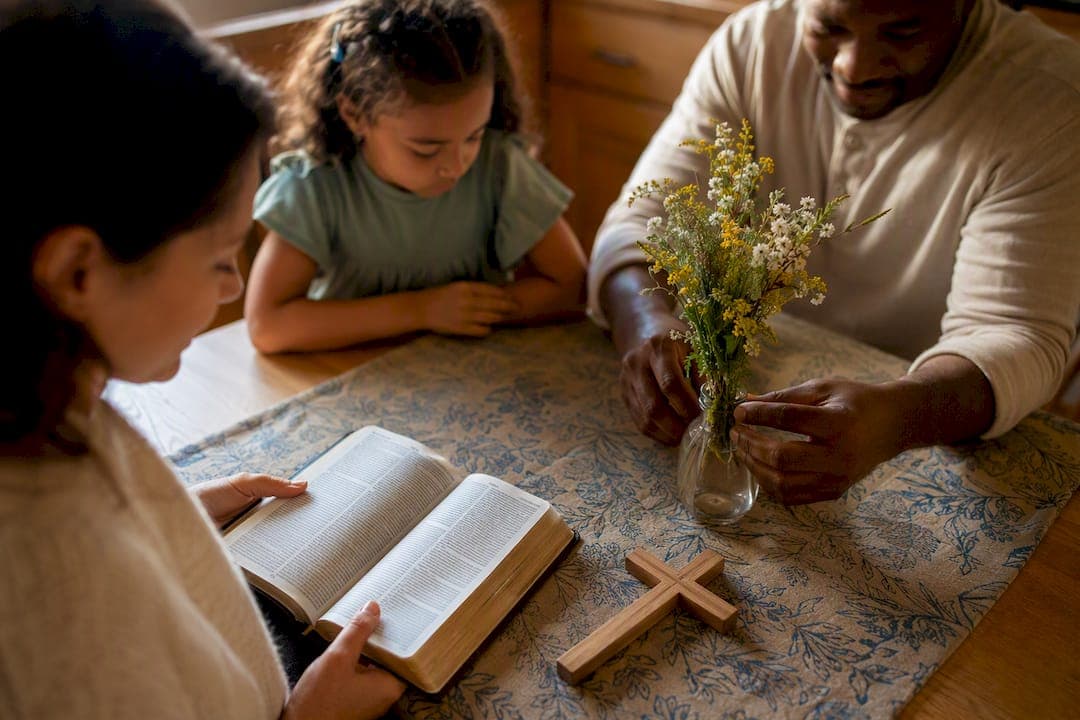
Blended family life is common ground for the American church, not an exception to it. form a blended family, which means the couple sitting near you in worship is likely navigating stepchildren, custody schedules, or a co-parenting relationship of their own. At Prism Counseling & Coaching, our counselors have spent years walking alongside these families in the Phoenix area, and we've watched blended households move from survival mode to genuine unity. That shift rarely happens by accident. It happens when families root themselves in Scripture and build a few practical habits on purpose. This guide walks through what to expect, what to do this week, and where to find support when you need more than a good article, including:
- The hard truths blended families face and why they aren't a sign of failure
- Practical, faith-integrated steps you can start using at home
- How your church can (and should) support you
- When it's time to bring in a counselor, and what that looks like
Key Takeaways
Christian blended families thrive when they pair biblical patience with concrete household routines rather than expecting instant unity.
| Point | Details |
|---|---|
| Blended families are common | About 33% of U.S. weddings form a blended family, so the struggle isn't unusual or a sign of failure. |
| Grief comes before unity | Stepfamilies are often birthed on loss and need time to grieve before bonding deeply. |
| Small routines reduce friction | Weekly check-ins, family meetings, and shared devotions build trust faster than big declarations of togetherness. |
| Step-parent authority builds slowly | Patience and permission earn trust over months, not a single family meeting. |
| Counseling helps when patterns persist | Faith-integrated counseling through Prism Counseling & Coaching offers couples, family, and individual sessions with appointments often available within days. |
Table of Contents
- What Makes Blended Family Christian Life Different?
- Practical Steps for Building a Stronger Blended Family
- How Can Churches Support Blended Families Better?
- When Should a Blended Family Consider Counseling?
- Recommended Christian Resources for Blended Families
- What Blended Families Get Wrong About "Becoming One"
- Getting Support From Prism Counseling & Coaching
- Frequently Asked Questions
- Sources
What Makes Blended Family Christian Life Different?
A blended family Christian household carries a layer most first-marriage families never face: someone had to lose something before this family could exist. A death, a divorce, a broken relationship. That loss doesn't disappear when a wedding happens. Lifeway Research describes stepfamilies as often "birthed on loss," which is why grief tends to resurface at holidays, weddings, and even small moments like a child calling someone else "mom" or "dad" for the first time.
Six truths tend to show up again and again in stepfamily christian counseling sessions:
- The family began with a loss. Even joyful remarriages carry grief underneath them, and that grief needs acknowledgment, not silence.
- Kids grieve on a longer timeline than adults expect. A child may seem fine for months, then grieve hard around a birthday or school event.
- Stepfamilies form slowly, not instantly. Trust and affection build over years, not a single Thanksgiving dinner.
- Parenting dynamics shift. A stepparent's authority looks different from a biological parent's, and pretending otherwise creates friction.
- Marriages carry unique pressure. Money, discipline, and ex-spouse communication all land on the couple at once.
- Churches sometimes overlook blended families, treating them like every other family instead of one navigating distinct challenges.
A substantial portion of American weddings create these situations, yet many blended-family couples still feel isolated in their struggle. Loyalty conflicts are a daily reality here too. A child who feels close to a stepparent may suddenly pull back, worried it betrays their biological parent. Boundary confusion follows close behind. Who disciplines whom? Who signs the permission slip? These aren't failures of love. They're the ordinary friction of two family systems merging into one.
Practical Steps for Building a Stronger Blended Family
Faith gives blended families their foundation, but daily habits are what turn that foundation into a home. Start with the marriage itself. A weekly check-in, even fifteen minutes over coffee after the kids are asleep, keeps the couple aligned before small disagreements calcify into resentment.
From there, build rhythms the whole household can count on:
- Hold a short weekly family meeting to review schedules, address friction points, and celebrate wins.
- Agree on a small set of household rules before introducing new ones, and present them as a united front.
- Let the biological parent handle most discipline early on while the stepparent builds relationship and trust.
- Add a brief shared devotion or prayer time, even five minutes, to anchor the week in something bigger than logistics.
- Look for a low-pressure service project (packing food boxes, a church cleanup day) that lets the family work side by side without forcing emotional closeness.
Christian Parenting points to solidifying rules, seeking outside advice, and protecting couple time as the practical first moves that reduce friction fastest. Small, consistent steps beat sweeping declarations of "we're one big happy family now."
Step-parenting deserves its own word here. Authority is earned, not assumed. A new stepparent who leads with patience and asks permission before stepping into a disciplinary role builds far more trust than one who insists on instant parental status. Bonding cannot be forced. It has to be invited, one ordinary afternoon at a time.
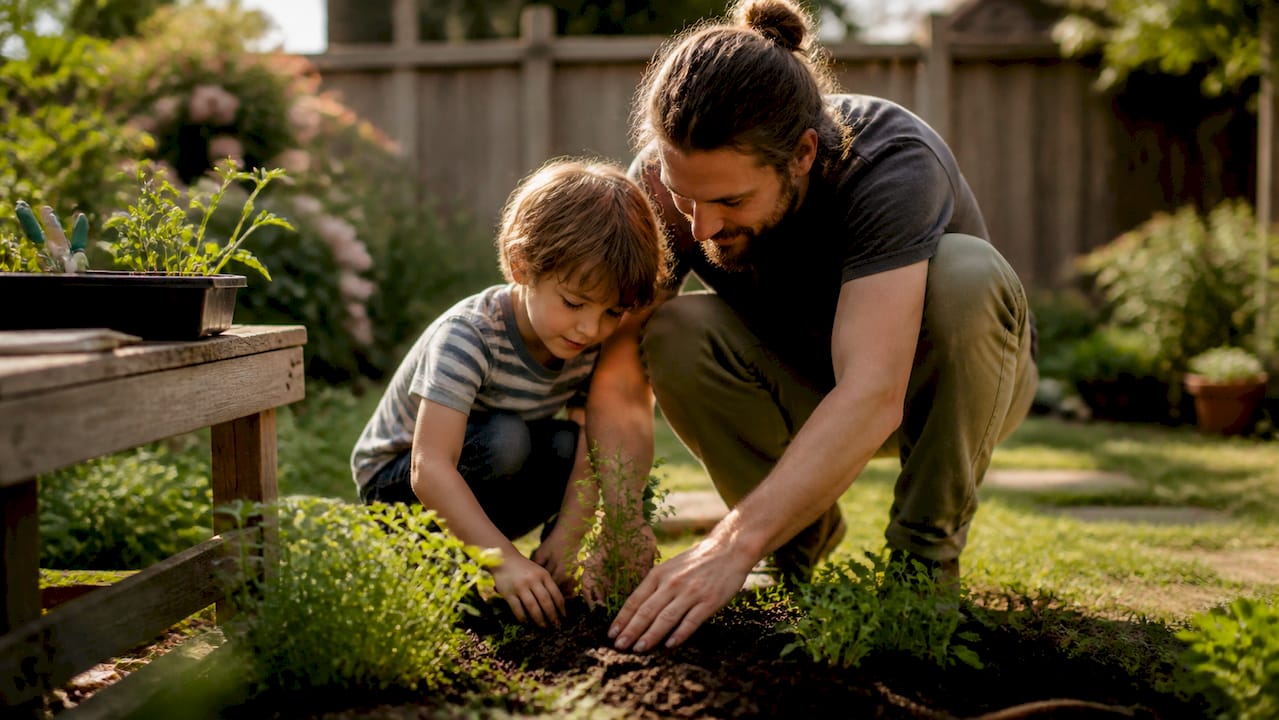
Pro Tip: Give your stepparent role six to twelve months of relationship-building before expecting real authority. Trust is earned in small moments, not declared in a family meeting.
How Can Churches Support Blended Families Better?
Most churches want to help. Few know how. The Gospel Coalition points out that congregations can unintentionally isolate blended families simply by assuming their needs mirror every other family's, when the realities are often different enough to need direct attention.
A healthy church response usually includes:
- Acknowledging blended-family struggles openly from the pulpit or in parenting classes, rather than treating them as a private issue.
- Offering a stepfamily support group or matching new blended families with a mentor couple who has navigated the same terrain.
- Weaving blended families into regular ministry life instead of segregating them into a separate track that feels like a label.
- Training small-group leaders and pastors to recognize grief, loyalty conflicts, and co-parenting stress when they surface in counseling conversations.
If your church hasn't built this yet, ask directly. A simple request like "Do you have a mentor couple who has walked through blending a family?" or "Would you consider starting a stepfamily group?" gives leadership a concrete next step instead of a vague ask for help. Workshops, parenting classes built around stepfamily dynamics, and short-term support groups are all realistic formats a church can launch with modest effort.
When Should a Blended Family Consider Counseling?
Some struggles resolve with time, patience, and prayer. Others need a trained guide. Watch for these signs:
- Marital conflict that keeps circling the same unresolved issues month after month.
- A child's acting out that isn't improving despite consistent, loving discipline.
- Grief that seems stuck rather than gradually easing.
- Signs of depression, anxiety, or trauma in a spouse or child.
- Any safety concern involving anger, substance use, or a child's well-being.
Faith-integrated counseling blends clinical training with Scripture and prayer, and typically includes couples sessions, family sessions, and individual work depending on what's driving the strain. Gateway Counseling describes this blended approach as pairing evidence-based methods with spiritually grounded processing, which lets a family address both the practical friction and the deeper faith questions underneath it.
Blended families don't need to have all the answers before they ask for help. They need a counselor who understands both family systems and Scripture, and who can hold space for grief and hope at the same time.
Prism Counseling & Coaching has spent more than 14 years offering Christian counseling in the Phoenix area, with a private-pay model that often means new appointments within days rather than weeks.
Recommended Christian Resources for Blended Families
A good book or podcast episode won't replace counseling, but it often opens the door to the deeper conversation your family needs.
- Ministry field guides from Ron Deal and Blended Kingdom Families pair biblical truth with concrete stepfamily strategy, useful for couples who want a framework before they hit a crisis.
- Personal story resources, like Cru's Storylines feature on blended family life, normalize the mess and remind families they aren't uniquely broken.
- Prism's Christian Counseling Resources hub offers articles and podcast episodes built around real faith and family questions, useful for a quiet evening of reflection with your spouse.
- The Ask a Christian Counselor Podcast covers blended-family topics in short, listenable episodes for parents short on time.
Pair a book for the couple with a workshop for the stepparent, and consider passing a copy of a stepfamily field guide to your pastor if your church hasn't trained leaders on this topic yet.
What Blended Families Get Wrong About "Becoming One"
Most advice on blended families treats unity as the finish line, something you arrive at if you just love hard enough, fast enough. That framing sets families up to feel like failures. The research and pastoral experience both point somewhere else: unity is a byproduct of patience, not a goal you chase directly.
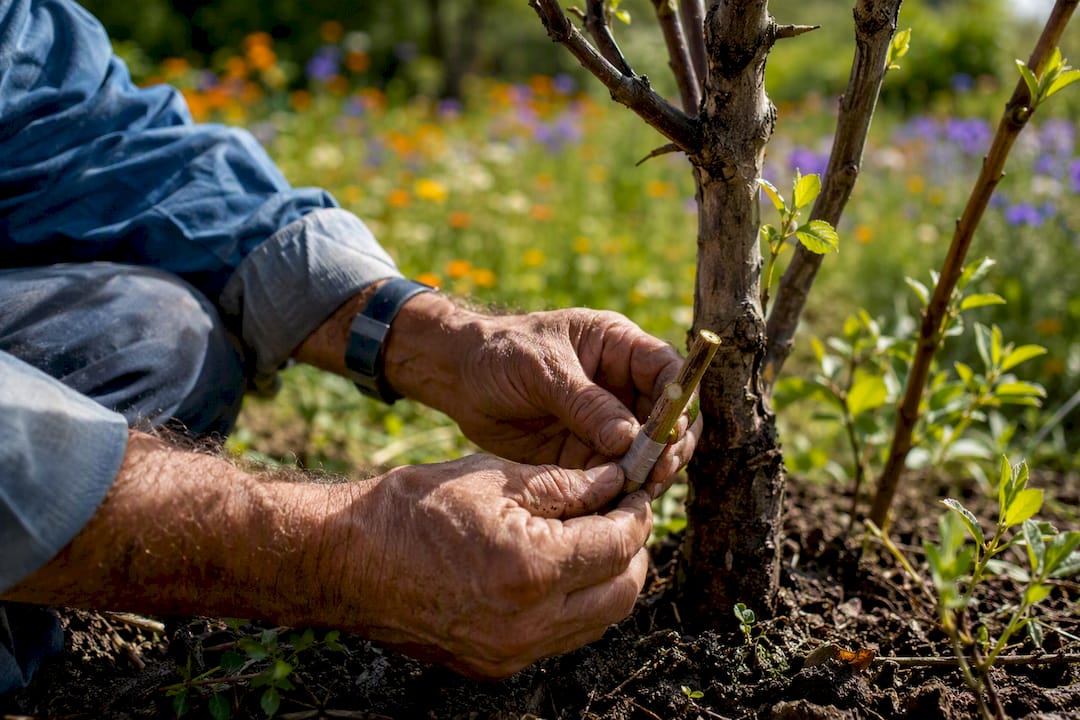
The conventional wisdom oversells the wedding day and undersells the years after it. Families are told to blend like they're stirring cream into coffee, when the honest picture looks more like grafting a branch onto a different tree. It takes time, the right conditions, and more than one season before it holds.
If I had to name the single most overlooked priority, it's protecting the marriage before protecting the family's image of togetherness. A strong marriage gives children something stable to grieve and grow around. A marriage strained by the pressure to look unified too soon gives them nothing to stand on. Faith, patience, and a functioning marriage come first. Everything else, the shared traditions, the stepparent's authority, the family's sense of "we," grows out of that foundation over time.
Getting Support From Prism Counseling & Coaching
Blended families in the Phoenix area don't have to figure this out with willpower and a devotional alone. Prism Counseling & Coaching integrates biblical truth with clinical training across couples counseling, family sessions, and individual work, so a spouse, a stepparent, and a grieving child can all get support that takes faith seriously rather than setting it aside.
An intake typically starts with a conversation about what's actually straining your household, whether that's discipline disagreements, a child's grief, or the marriage itself carrying too much weight alone. Because Prism runs on a small, private-pay model, new clients often get an appointment within days rather than waiting weeks for an opening. Couples navigating blended-family strain can start with Christian marriage counseling, while individuals wrestling with grief or anxiety tied to the transition can explore Christian counseling built around their specific situation. Online sessions are available for families who need flexibility around custody schedules or work hours. Reach out through the scheduling page to find a time that works, or browse the podcast and articles if you want to listen before you book.
Frequently Asked Questions
Is it normal for a blended family to feel disconnected for a long time? Yes. Stepfamily experts consistently describe formation as a slow process, often taking several years, not months, before a family feels fully unified.
How does a Christian approach blended family conflict differently? Faith-based approaches lean on forgiveness, prayer, and patience as active practices, not passive hopes, while still addressing practical issues like discipline and household rules directly.
What should a stepparent avoid doing early on? Avoid stepping into a full disciplinary role too quickly. Build relationship first and let the biological parent lead discipline until trust is established.
When is it time to seek Christian counseling for a blended family? Consider counseling when conflict repeats without resolution, a child's behavior worsens over time, or grief seems stuck rather than gradually easing.
Can a local church really help a blended family, or is counseling always necessary? Both matter. A supportive church community, mentor couples, and stepfamily groups help with belonging, while counseling addresses deeper patterns that community alone can't resolve.
This article is general information, not a substitute for advice from a qualified doctor. Consult a qualified healthcare professional about your own circumstances before acting on anything here.
Sources
- 4 tips for blending families - Christian Parenting
- How to love blended families in your church - The Gospel Coalition
Recommended
- Christian Counseling Resources | Articles, Videos, and Podcast Resources by Topic - Prism Counseling & Coaching | Faith-Based Counseling and Spiritually-Integrated Therapy in Peoria and Phoenix AZ
- Prism Counseling & Coaching | Faith-Based Counseling and Spiritually-Integrated Therapy in Peoria and Phoenix AZ - Prism Counseling & Coaching | Arizona Christian Counseling and Spiritually-Integrated Therapy in Peoria and Phoenix
- Prism Counseling & Coaching | Faith-Based Counseling and Spiritually-Integrated Therapy in Peoria and Phoenix AZ - Prism Counseling & Coaching | Arizona Christian Counseling and Spiritually-Integrated Therapy in Peoria and Phoenix
- On Creating the Christian DISC® - Prism Counseling & Coaching | Faith-Based Counseling and Spiritually-Integrated Therapy in Peoria and Phoenix AZ